The Challenge
Imagine shipping a valuable container from China to the United States. Your cargo travels by truck through inland China, gets loaded onto a ship for weeks at sea, arrives at a US port, moves through suburban areas, and finally reaches a warehouse in a major city like New York or Los Angeles.
At each stage, standard GPS trackers fail. Tall buildings in cities block satellite signals. Ships lose GPS connection in the middle of the ocean. If a container goes overboard, traditional trackers become worthless underwater. For shipments worth hundreds of thousands of dollars, these tracking gaps create serious problems.
The Solution
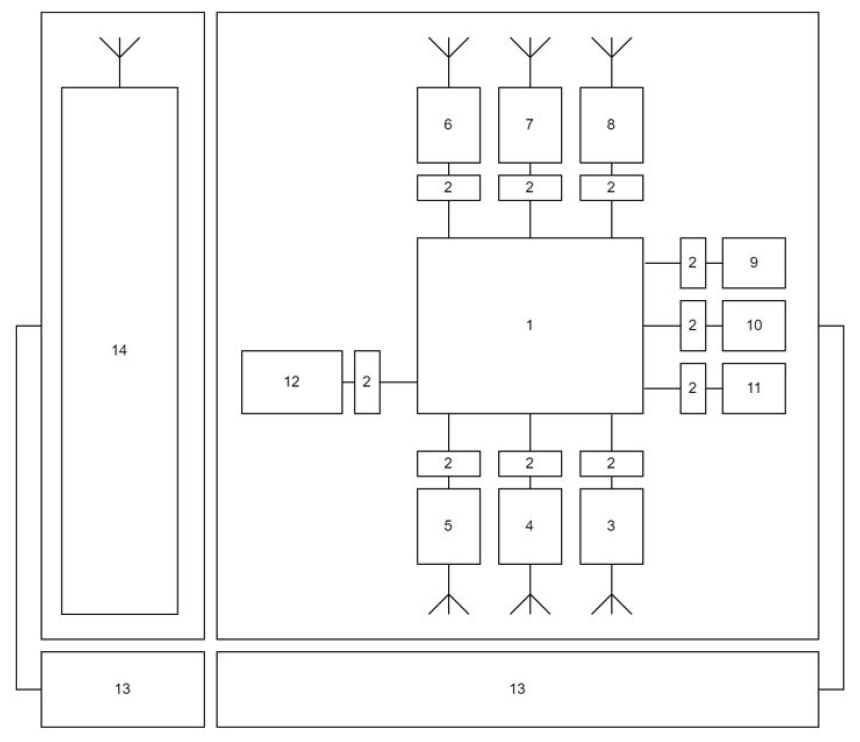
We developed a tracking device that stays connected throughout the entire journey. Instead of relying on just GPS, it automatically switches between multiple tracking technologies, choosing whichever method works best at any moment.
How It Works
The device tries four different ways to find its location, in order:
- Satellite GPS works great in open areas like highways and rural transport routes.
- WiFi and Bluetooth scanning takes over in cities where buildings block GPS. By detecting nearby wireless networks, it pinpoints location accurately in ports and urban areas.
- Cell tower triangulation provides approximate location when GPS fails but cell service exists.
- Internal storage saves all tracking data when nothing else works, uploading it once connection returns.
For sending location data back to you, it uses the cheapest method available:
- Free IoT networks (LoRaWAN) cost nothing to use and work in many cities and ports.
- Cell networks provide reliable backup at moderate cost.
- Satellite communication keeps working in the middle of the ocean, used only when necessary because it's expensive.
Cargo Condition Monitoring
Location is only part of the story. The device includes sensors that tell you if your cargo was handled properly:
- Accelerometer detects sudden impacts, drops, or rough handling. You'll know if your container was dropped during loading or experienced rough seas.
- Temperature and humidity sensors monitor environmental conditions throughout the journey. Critical for electronics, pharmaceuticals, and other sensitive goods that can be damaged by heat or moisture.
- Gyroscope tracks orientation changes, alerting you if your container was tipped or stored improperly.
All sensor data is logged continuously and transmitted alongside location updates, giving you a complete picture of your shipment's journey and treatment.
Smart Power Management
The device detects when your container stops moving. After 10 minutes of no movement, it goes into sleep mode, using 95% less power. It wakes up automatically when movement starts again. This extends battery life from a few weeks to several months, perfect for long international shipments.
Underwater Recovery
If your container goes into water, the device automatically activates an underwater beacon. This separate unit has its own battery and sends out acoustic signals that search teams use to locate sunken cargo. This feature alone can save millions in recovery costs.
Real Benefits
Lower costs: By using free networks when available and expensive satellite only when needed, transmission costs drop by 70-90% compared to satellite-only trackers.
Longer battery life: Smart sleep modes and efficient communication extend operation from 2-3 weeks to 2-3 months on a single battery.
No coverage gaps: Whether your container is crossing the Pacific Ocean, sitting in the Port of Los Angeles, or being trucked through Manhattan, you always know where it is.
Proof of proper handling: Sensor data provides evidence for insurance claims if cargo arrives damaged. You'll know exactly when and where problems occurred.
Recovery protection: The underwater beacon means you can recover valuable cargo even in worst-case scenarios.
Perfect For Container Shipping
This technology is built for the exact journey your containers take: from factories in Asia, across oceans on cargo ships, through busy ports, and finally to warehouses in major cities. Every stage of that journey has different tracking challenges. This device handles all of them automatically.
The compact, waterproof unit is the same size as a car GPS and uses common, affordable components. One-way communication minimizes power use and keeps operating costs low. The result is reliable, continuous tracking that's actually economical for everyday container shipments, not just extremely high-value cargo.